Make Every Campus Break a Launchpad for Growth

Today, we dive into microlearning strategies for 10-minute campus breaks, turning passing moments between classes into practical, energizing bursts of progress. Expect concrete routines, science-backed tactics, and relatable campus stories you can try immediately, then share your results, questions, and discoveries with our community.

Ten Minutes to Learn: Making Every Break Count

Describe one outcome, not three. Define success you can finish in minutes: answer five recall prompts, sketch a diagram, or annotate a paragraph. Keep a checklist, mark completion visibly, and review the artifact during the next short pause.
Consistency converts scattered time into momentum. Pair your micro-session with an existing habit: waiting for coffee, walking to class, or finding a quiet bench. Use the same timer, playlist, and checklist to reduce friction and signal your brain it is go time.
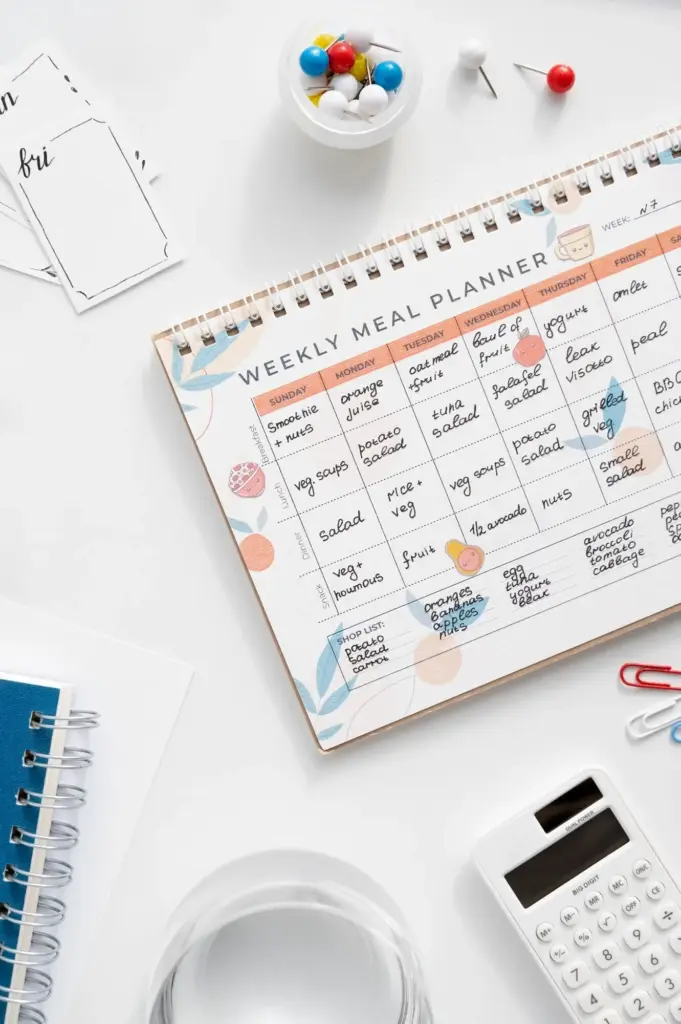
Prepare a visible list of bite-sized actions so you never wonder what to do. Place digital widgets, sticky notes, or QR codes linking to cards and mini-lessons. Keep variety and difficulty balanced to match energy levels without losing forward motion.

Designing Bite‑Sized Content That Sticks

Effective microcontent respects cognitive load, embraces clarity, and offers immediate practice. Break complex material into self-contained nuggets that answer one question, model one solution, or illustrate one misconception. Make navigation obvious, apply consistent patterns, and close with prompts that direct the next small step.

Mobile-First Tools and Tactics

Campuses are mobile by nature, so your learning should be, too. Optimize for small screens, quick taps, and intermittent connectivity. Enable offline access, instant resume, and glanceable progress, so any bench, bus, or elevator ride becomes a gateway to meaningful practice.

Retrieval First, Then Read

Attempt to recall or solve before consulting notes. Even partial attempts strengthen memory traces and reveal gaps. Afterward, read just enough to correct mistakes, then immediately test again, cementing the learning within the original ten-minute window.

Spaced and Interleaved

Distribute practice across days and mix topics. A quick card from calculus, one vocab item, and a diagram labeling challenge can fit a single break. The varied sequence boosts discrimination and keeps motivation high by preventing monotony.

Campus Stories and Peer Momentum

Learning spreads faster with company. Quick peer sprints, casual challenges, and supportive nudges transform lonely effort into a shared rhythm. Use shared decks, mini-meetups, and class hashtags to spark participation, accountability, and friendly competition across different corners of campus life.

Measure, Iterate, and Celebrate Progress

Track the Ten

Keep a simple counter of breaks converted to learning sessions, plus a quick confidence rating. Patterns emerge quickly, revealing the best times, locations, and formats for you. Seeing streaks accumulate provides momentum that makes the next start effortless.

Tiny Experiments

Treat each week as a series of low-risk trials. Change only one variable—location, time of day, or activity—and compare outcomes. Over time, your personal playbook emerges, guiding which microlearning moves to deploy when energy or focus is limited.

Share Wins Publicly

Tell friends, clubs, or class chats when a tiny tactic worked. Public storytelling builds identity and spreads effective practices. Invite replies with your favorite prompt or playlist, and encourage others to subscribe for weekly challenges designed for real campus breaks.
Puruzotazuvomilereku
Privacy Overview

This website uses cookies so that we can provide you with the best user experience possible. Cookie information is stored in your browser and performs functions such as recognising you when you return to our website and helping our team to understand which sections of the website you find most interesting and useful.