Designing Phone-First Workflows for Productive Micro-Study Moments

Today we explore designing phone-first workflows for productive micro-study moments, turning idle minutes into meaningful progress with thoughtful UX, cognitive science, and resilient technology. Expect practical principles, humane nudges, and real stories that show how short, intentional sessions compound into lasting knowledge. Share your routines, subscribe for deeper guides, and join a community committed to learning that fits life.

Moments That Matter on a Small Screen

Micro-study thrives when content and controls match real human rhythms. Waiting in line, riding a bus, or pausing between meetings offers narrow windows where attention is fragile, context switches are costly, and success depends on instant clarity. We’ll map these moments, reduce friction, and transform sporadic intent into steady, rewarding progress without demanding more time than life already allows.

One-Thumb Priority and Reach Zones

Most sessions happen on the go, with one thumb navigating the entire experience. Keep primary actions within comfortable reach, minimize target distances, and reserve top areas for passive information. Bottom sheets, large tap targets, and responsive gestures reduce cognitive overhead, helping learners focus on content instead of interface gymnastics during their shortest, most valuable moments.

Glanceable UI and Progressive Disclosure

Glance-friendly design shows just enough to act now, then reveals depth as needed. Use clean typography, meaningful color, and smart grouping so the next step is unmistakable. Progressive disclosure avoids overwhelming the screen while preserving power features. Learners can skim, decide, and engage instantly, even during noisy environments where attention splinters and time evaporates quickly.

Latency, Offline, and Resilience

Micro-study fails if it waits. Pre-fetch content, cache essentials, and resume instantly after interruptions. Design optimistic flows for submissions, tolerate flaky connections, and gracefully sync later. Resilient workflows keep momentum alive, making every second count. Consistency and speed build trust, encouraging learners to return confidently whenever a tiny window opens in their day.

Tiny Lessons, Lasting Impact

Small does not mean shallow. The right slice delivers meaning when paired with retrieval practice, spacing, and immediate relevance. Build atomic units that focus on one concept, lead with action, and end with feedback. Sequencing turns short wins into cumulative mastery, encouraging learners to return repeatedly because each session feels focused, attainable, and undeniably useful.

Build a Habit, Not a Habit Tracker

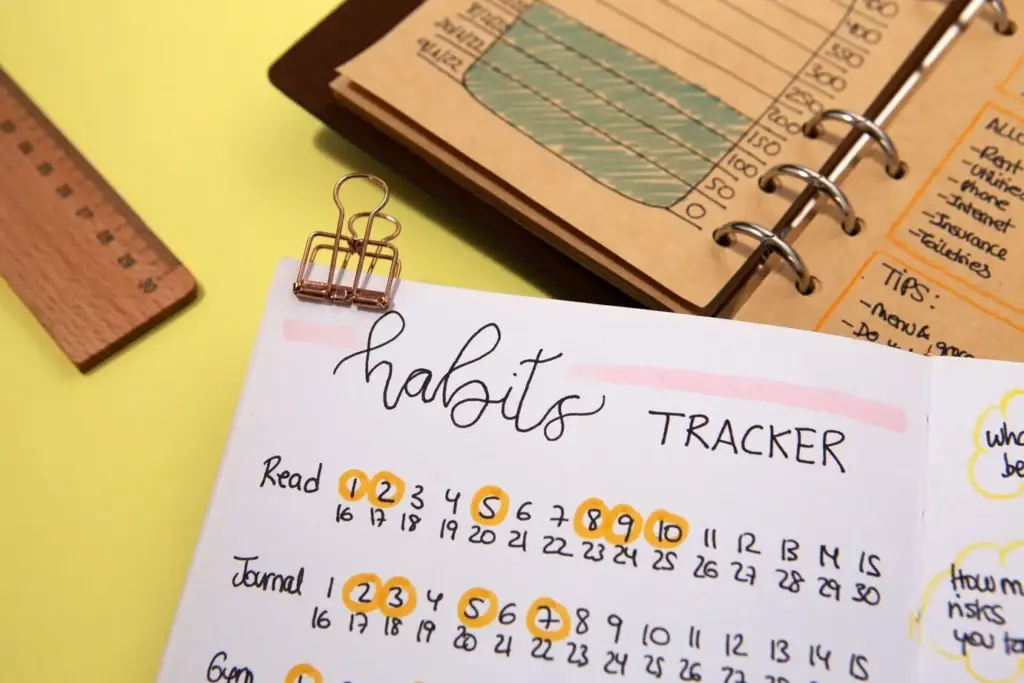
Streaks attract, but meaning sustains. Habits form when triggers are gentle, actions are simple, and rewards feel authentic. Align reminders with daily rhythms, celebrate small completions, and make recovery from breaks effortless. Encourage reflection, not pressure. Over time, these routines become a reliable, self-propelled engine that supports learning without guilt or exhaustion.

From Commute to Clarity: Stories and Patterns

Patterns emerge from real lives, not idealized personas. Commuters memorize vocabulary between stops, parents review key points during nap times, and nurses skim protocols between rounds. Each story reveals constraints, clever workarounds, and workable rituals. We’ll extract reusable patterns that any product team can adapt, and invite readers to share their own field-tested practices.

The 7-Minute Grammar Sprint

A language learner turned a crowded subway ride into a daily grammar sprint: three cards, two examples, one recall question. Offline caching and a one-tap resume made it effortless. Over months, tiny repetitions solidified patterns, reducing errors in writing and boosting confidence without adding extra, unrealistic study blocks at home.

Coding Katas in Coffee Lines

A junior developer practiced micro-katas while waiting for coffee, using scaffolded snippets and fast feedback. Each session focused on one concept—loops, conditionals, or naming. Immediate tests reinforced learning and revealed gaps. After several weeks, their review velocity improved dramatically, making code reviews calmer because foundational habits had been quietly strengthened on the go.

Nurses Reviewing Protocols Between Rounds

A hospital team deployed concise, searchable protocol cards that loaded instantly on spotty Wi‑Fi. Nurses reviewed updates between rounds, with clear highlights and change histories. The design respected urgency, hand hygiene, and mobility. Over time, micro-briefings improved recall of rare procedures, supporting safer care without burdening already intense workdays or adding unnecessary complexity.

Evidence Over Intuition

Great intentions require proof. Measure time-to-first-action, session length, completion rates, and interruption recovery. Pair behavioral data with opt-in reflections to understand why patterns emerge. Protect privacy by default. Use experiments to compare micro-sequencing, spacing intervals, and notification timing. Let evidence refine design, turning hunches into confident improvements that make short sessions reliably productive and enjoyable.
Puruzotazuvomilereku
Privacy Overview

This website uses cookies so that we can provide you with the best user experience possible. Cookie information is stored in your browser and performs functions such as recognising you when you return to our website and helping our team to understand which sections of the website you find most interesting and useful.