Make Every Break Count Between Classes
Today we focus on applying spaced repetition during short gaps between lectures, transforming scattered minutes into dependable progress. You will learn how tiny, intentional review bursts combat forgetting, reduce stress before exams, and build durable understanding without adding hours. Bring your phone, a handful of smart prompts, and a willingness to experiment, and let’s turn walking time, hallway pauses, and coffee lines into powerful memory anchors that steadily amplify your confidence and results.
The Science Behind Quick Reviews
Short, well-timed reviews exploit the spacing effect and active recall to interrupt forgetting right when memory traces are most vulnerable. By deliberately retrieving information during small campus breaks, you strengthen neural pathways, improve discrimination between similar concepts, and reduce the need for marathon study sessions. This approach also lowers cognitive friction: the ritual is simple, the payoff is immediate, and each micro-win creates momentum. Share your favorite quick review moments below so others can borrow your timing hacks.
Why spacing rescues fading memories
Ebbinghaus showed that forgetting arrives quickly, yet retrieval at the brink of failure dramatically prolongs retention. Using two to five-minute reviews between lectures, you hit that sweet spot without exhausting attention. The result is sharper recall, less cramming, and a calmer mind that trusts small, repeated victories. Try scheduling a two-minute retrieval right after class, another before the next, and notice how the effort feels challenging but satisfying rather than draining.
Active recall beats passive reading
Reading notes may feel productive, yet it rarely strengthens the pathways you count on under pressure. For short gaps, question-first prompts force your brain to reconstruct answers. That reconstruction, even when imperfect, forges durable links. Use cloze deletions, short conceptual questions, or diagrams to label. If you catch yourself skimming, stop and deliberately recall before peeking. Over time, the small strain becomes a reliable signal that learning is actually happening.
Build a Pocket-Sized System
Preparation makes short reviews frictionless. Whether you favor a phone app, lightweight paper cards, or a hybrid, assemble tools that launch in seconds. Preload high-yield questions from current lectures, organize them by course, and ensure offline access for weak signal spots. Keep earbuds for audio prompts, a tiny pencil for card edits, and a compact routine card with micro-goals. Tell us which kit setup fits your campus routes, and we’ll share community tweaks that shave seconds.

From bloated notes to laser-focused prompts
If a card asks for three ideas, split it into three cards. Replace vague wording with precise language mirroring exam expectations. Turn definitions into application questions that require judgment, not recognition. For conceptual classes, add why or compare prompts that force deeper links. Keep answers short enough to verify quickly between lectures. With each refinement, your two-minute windows gain power and clarity, converting scattered facts into clean, dependable mental handles you can trust.
Harness visuals and cloze deletions
Images compress complexity into one glance. Label an unlabeled diagram, obscure a critical variable in an equation, or hide a mechanism step with cloze formatting. This pushes your mind to reconstruct structure, not just surface words. Keep visuals minimal to avoid searching during brief pauses. If your subject lacks diagrams, create tiny schema sketches. The aim is fast engagement and precise retrieval, so each quick session strengthens connections that survive the stress of timed assessments.
Make it personal and memorable
Hook facts to personal cues: a classroom landmark, a professor’s phrase, or a story from lab. Mnemonics and odd associations work best when meaningful to you. Keep them short so they fit tiny intervals. After recalling, briefly imagine the cue again to glue it tighter. Invite peers to share quirky but effective memory hooks in the discussion; a single unexpected image can transform a stubborn concept into an automatic response that appears when you need it most.
Turn Campus Minutes into Momentum
Design a two, five, and ten-minute version
Prepare three tiers so you never skip: a two-minute burst for a hallway, five minutes for a bench outside, ten minutes when a professor runs late. Each tier has preselected cards and a clear finish line. The predictability prevents overthinking and preserves energy. When time permits, chain tiers. When it doesn’t, celebrate the small win and move on. Over a week, these predictable micro-sets accumulate into hours of high-quality, low-stress retrieval practice.

Use environmental anchors
Tie specific reviews to specific places. Pharmacology labels in the east stairwell, calculus derivatives near the courtyard, case law questions by the library door. The environment becomes a retrieval cue that boosts memory and reduces setup time. You’ll start moving automatically, almost like choreography. If your campus changes, update anchors. Take a photo of each spot to reinforce the association. Share your best anchor maps; seeing how others route their paths can spark fresh ideas.
Protect the margins without isolating yourself
Short reviews should fit life, not replace it. Use a friendly hand signal to let friends know you need two minutes, then rejoin. Schedule social micro-breaks after a focused burst to keep balance. The goal is sustainable focus, not monastic isolation. Explain your routine so classmates understand, and invite them to try a card or two. Mutual respect keeps momentum alive, turning campus culture into a supportive backdrop for tiny, effective learning rituals.
Mobile Recall and Movement
Your body can help learning. Standing, walking slowly, or lightly pacing during quick reviews can sharpen alertness and mood. Keep safety first: stop to answer complex prompts, avoid stairs for tough recalls, and mute notifications that hijack attention. Consider whisper recall, mental whiteboarding, or quick finger tracing for diagrams. Test different tempos to find what keeps you engaged. Comment with your best movement routines so others can adopt strategies that fit crowded corridors and busy schedules.

Lightweight metrics that motivate
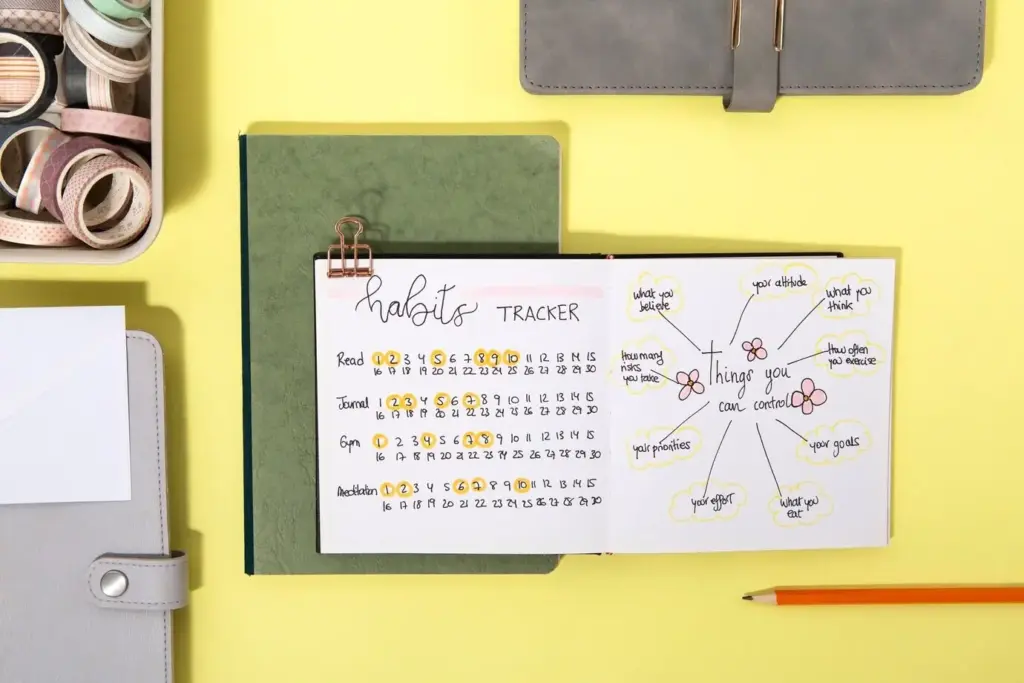
Count bursts, not minutes. Mark a dot for each micro-session on your schedule margin. Aim for consistent dots across days rather than single spikes. Track success rates on only a few tough items to spotlight real gains. If motivation dips, create a tiny reward after five bursts. Post your dot map to our comments and borrow patterns from others. Data should be simple, friendly, and supportive—never another heavy obligation weighing down your day.

Iterate your intervals without guesswork
Start conservative, then stretch spacing as recall remains strong. If two successive struggles appear, tighten intervals or rewrite the card. Use tags like trouble, split, or revisit to guide quick edits during breaks. Periodically promote mastered items to longer gaps, keeping your short windows focused on high-impact material. This iterative loop maintains challenge and prevents fatigue, ensuring those inter-lecture minutes stay productive while your confidence grows through clear, responsive adjustments rather than rigid schedules.
All Rights Reserved.