Snap Into Clarity: Power Moves for Short Study Sprints

Today we explore quick focus and energy resets to prime short study sessions, turning scattered minutes into productive bursts. You will discover fast, science-informed rituals that calm mental noise, lift alertness, and help your mind switch gears without friction. Expect simple breath patterns, tiny movement breaks, and smart cues that anchor attention where it matters. Try one technique right after reading, then share what worked, so we can refine these resets together and celebrate study wins, even on the busiest, most unpredictable days.

The Science of Rapid Refocusing

Brief, intentional resets can reduce cognitive switching costs and restore prefrontal clarity by rebalancing arousal and attention networks. When stress nudges norepinephrine too high, precision thinking slips; tiny interventions can nudge it back into the optimal zone. Think of these moments as neural recalibration, not wasted time. By timing resets between short study blocks, you catch ultradian dips early, keep fatigue honest, and return faster to deep engagement. This strategic cadence protects momentum, preserves motivation, and turns scattered effort into dependable, repeatable progress.

A 60-Second Breath Ladder

Use a physiological sigh to drop tension fast: inhale through the nose, then take a second quick sip of air, and exhale slowly through the mouth. Repeat five to eight times. This reduces carbon dioxide buildup, quiets sympathetic overdrive, and steadies heart rate. Many learners share that a single minute resets racing thoughts before a short study sprint. Pair it with a simple intention statement, then start the clock. If your mind wanders, perform one more sigh and refocus without judgment.

Light Exposure Reset

Step into daylight for two to five minutes, or face a bright window. Natural light stimulates retinal cells that signal alertness, lifting energy without caffeine. Even brief exposure can sharpen reading endurance and reduce drowsiness. Avoid looking directly at the sun; indirect brightness is enough. If outdoors is impossible, increase indoor illumination or use a bright desk lamp at a safe distance. Notice posture improving as eyes refresh. Return to your notes immediately, harnessing the renewed clarity before distractions creep back in.
One-Card Objective

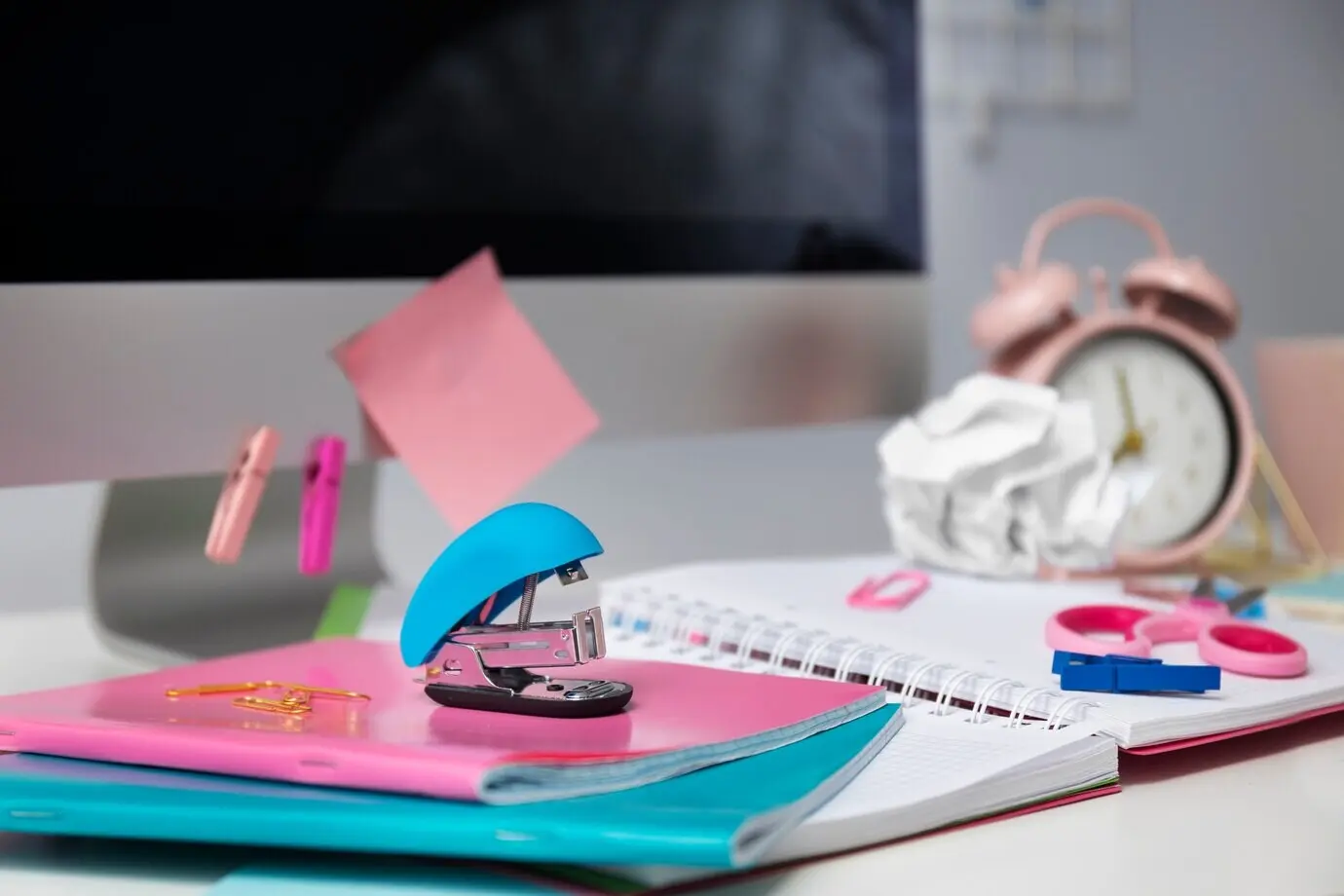
Write a single, concrete target on an index card or sticky note, such as summarizing one concept in five clear sentences. Keep it visible beside your timer. This simple anchor reduces decision fatigue and clarifies effort. If resistance appears, shrink the goal further without guilt. When finished, check the box, smile, and jot one sentence about what became easier. That micro-celebration signals completion, tells your brain this matters, and gently invites you back for the next manageable, confidence-building block.

Timer With Warm Start

Set a timer for twenty minutes, but begin with a ninety-second warm start: skim headings, gather materials, and write one guiding question. This lowers friction dramatically. Many learners find the warm start prevents procrastination by making the first action tiny and specific. Avoid reshuffling your plan once the countdown begins. When distractions surface, note them quickly on paper to protect cognitive flow. At the buzzer, stop, stand, and insert a reset. Respect the boundary to preserve focus as a renewable resource.

Closing Loop Ritual

Spend sixty seconds concluding deliberately: capture one key insight, one question, and the very next step for future you. Title your notes clearly, date them, and stash them in a predictable folder. This creates continuity, reduces re-start friction, and prevents important threads from unraveling between sessions. Many students report better sleep because their mind trusts that progress is recorded. Treat this ritual like brushing teeth for your studies—small, consistent, and hygiene for attention. Then step away for a quick, energizing reset.

Designing Your 15–25 Minute Study Sprints

Short, intentional bursts transform limited time into reliable learning. Begin with a micro-goal, eliminate obvious distractions, and start a visible timer. Resist perfectionism by aiming for progress, not polish. End each sprint with a tiny closure ritual that locks in memory and primes the next block. Use a quick reset between sprints to avoid diminishing returns. This cadence preserves curiosity, protects stamina, and builds trust in your process. Over days, small, steady wins compound, turning scattered minutes into meaningful academic momentum.

Movement Micro-Doses That Wake the Brain
Short bursts of movement elevate blood flow, boost alertness, and unclench tense posture that quietly drains focus. You do not need a gym—thirty to ninety seconds often suffice. The key is deliberate intensity matched to your current energy. Use light mobility when overstimulated, brisk stepping when sluggish, or playful coordination drills to refresh engagement. Pair movement with a clear micro-goal and immediate return to your materials. Over time, these tiny practices train your body to associate movement with clarity, confidence, and productive momentum.

Nutrition and Hydration Nudges

Smart Caffeine Pairings

If you tolerate caffeine, try modest amounts paired with a short reset ritual. A half cup of coffee or tea followed by a two-minute walk often produces a smooth lift without jitters. Many students like combining caffeine with L-theanine, which some find steadies alertness—consult your health professional if unsure. Avoid late-day doses that disrupt sleep, since tomorrow’s focus begins tonight. Track your personal sweet spot, because sensitivity varies widely. Use the extra alertness to begin the hardest task immediately, maximizing the compounding effect.

Chew to Alert

Sugar-free gum or a crunchy snack can increase subjective alertness through mild stimulation and rhythmic movement of the jaw. Choose options that do not spike blood sugar or create mess. Pair chewing with a single deep breath and a glance at your micro-goal, then start the timer. The sensory cue becomes a ritual that tells your brain it is go-time. If gum is not your style, try a mint or cold water sip. Keep it simple, consistent, and connected to immediate action.

Mini Fuel Options

Reach for small, balanced bites that steady energy: a handful of nuts, a piece of fruit with nut butter, yogurt with seeds, or hummus and carrots. Emphasize protein and fiber to avoid sudden dips. Keep portions modest so digestion does not hijack focus. Prep a tiny tray before you begin studying to make the helpful choice effortless. Reflect on which foods leave you clear versus foggy, then adjust accordingly. When hunger is quiet, attention becomes more loyal, and each short study session feels easier to finish well.

Distraction Shielding and Context Cues

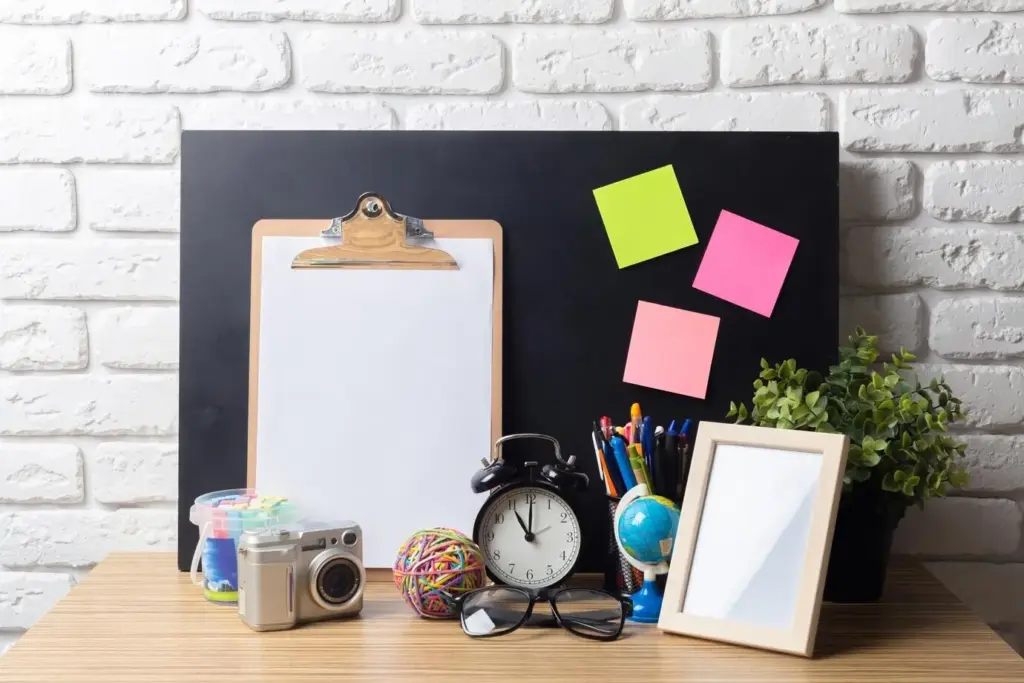
Your environment can either leak attention or protect it. Build a ritualized space that whispers, focus lives here. Reduce visual clutter, set predictable lighting, and create soundscapes that keep you anchored. Use app blocks or airplane mode to tame digital urges. Keep essential tools visible and everything else parked. Before each sprint, perform a one-minute reset so the space, your body, and your intention align. These cues reduce willpower demands, making productive states the default rather than a struggle you must win repeatedly.
If you study on a laptop, keep your phone out of reach and sight, ideally in another room or locked app mode. Notifications are tiny attention thieves with outsized costs on re-engagement. If you must use your phone as a timer, switch to airplane mode and do-not-disturb, then start the countdown. Treat the phone as a tool, not a companion. Many learners report dramatic gains simply by enforcing this physical separation. Make it automatic, not heroic, and watch your short sessions feel longer and calmer.
Use consistent, non-lyrical sound to mask distractions and create an audio boundary. Brown noise, gentle rain, or a steady fan can provide a soothing blanket that supports sustained attention. Some prefer low-tempo lo-fi beats; others like library ambience. Test options and note which preserve reading comprehension. Keep volume low enough to remain background, not a performance. Start the sound just before the sprint and stop it during resets to reinforce context. Over time, the track becomes a reliable cue that invites focused, productive effort.
Before a sprint, clear your desk to only what supports the next task: one book, one notebook, one pen, water, and your timer. Everything else moves out of sight. This tiny cleanup acts like a mental broom, sweeping away decision clutter. Pair the reset with a single breath and a micro-smile to prime approach motivation. When the buzzer ends, restore the minimal setup again so the cue stays consistent. The ritual may feel small, yet it powerfully lowers friction and invites immediate, confident engagement.

Motivation Sparks and Emotional Anchors
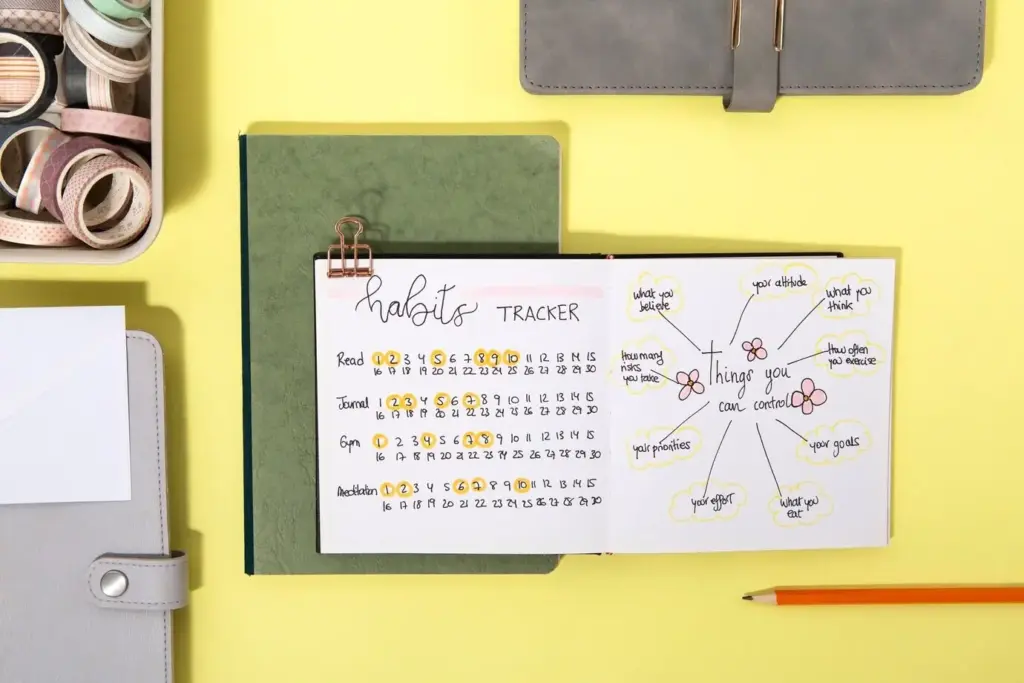
Energy resets work best when tied to meaning. Connect each sprint with a reason that matters—helping your future self, honoring curiosity, or unlocking opportunities. Use compassionate self-talk that treats struggle as information, not failure. Stack rewards intelligently: a brief stretch, a favorite song, or a message to a study buddy. Capture tiny wins to build evidence that you follow through. This emotional scaffolding turns techniques into habits and helps you return tomorrow with less doubt and more trust in your growing momentum.
Puruzotazuvomilereku
Privacy Overview

This website uses cookies so that we can provide you with the best user experience possible. Cookie information is stored in your browser and performs functions such as recognising you when you return to our website and helping our team to understand which sections of the website you find most interesting and useful.